- 0 Comments


How BIM is Shaping Urban Planning in 2024?
Urban planning is undergoing a significant transformation, thanks to the advancement of Building Information Modelling (BIM) technology. Here’s a closer look at how BIM is revolutionising urban planning this year.
What is Urban Planning?
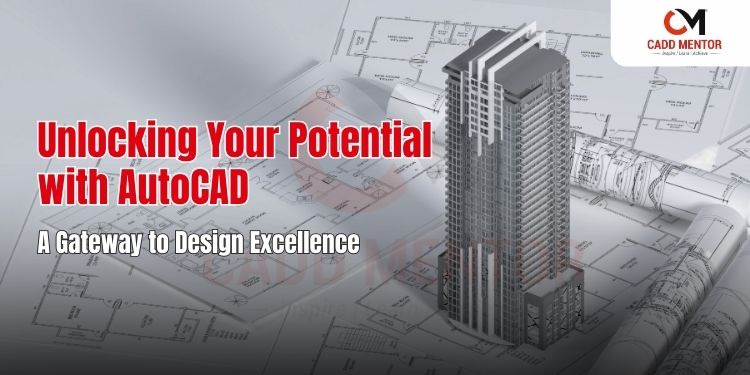
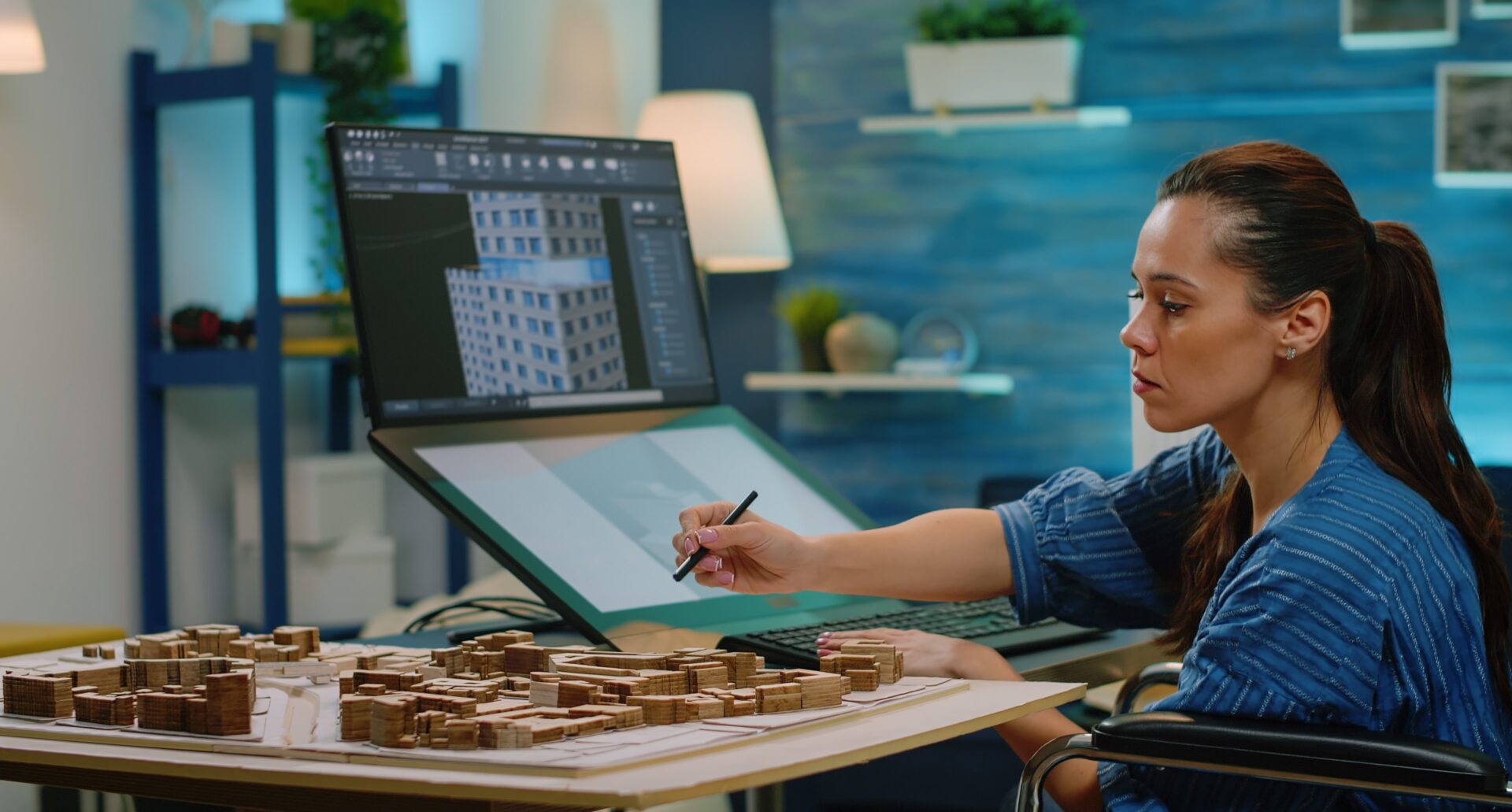
Urban planning is the process of designing and organising the development of urban areas to create functional, sustainable, and aesthetically pleasing environments. It integrates various aspects like land use, infrastructure, and transportation. With the advancement of BIM technology, urban planning has become more efficient and data-driven. Building Information Modelling (BIM) allows planners to create detailed 3D models of urban areas, which help visualise potential developments and assess their impact on the environment and community. By using BIM, urban planners can make more informed decisions, leading to better-designed and more sustainable urban spaces.
Key Benefits of BIM for Urban Planners
BIM offers numerous advantages for urban planners, making the planning process more efficient and effective. One of the primary benefits is greater accuracy in planning. It enhances accuracy in planning by providing detailed 3D models and simulations which provide a comprehensive view of a project before construction begins.. This results in greater precision and fewer errors during the planning process.
Another significant advantage of BIM is its contribution to increased sustainability. BIM enables planners to assess the environmental impact of their designs by simulating different scenarios and analysing energy usage, material selection, and waste management. This level of insight supports the development of eco-friendly and sustainable urban spaces that are better for the environment and the communities they serve.
What is the Scope of BIM in Urban Planning?
The scope of BIM in urban planning is vast and continually expanding. Building Information Modelling, goes beyond just creating 3D models; it integrates every detail of construction design, making it an essential tool for modern urban development. Through BIM, urban planners can create precise and detailed designs that encompass everything from the architecture of buildings to the layout of entire infrastructure projects, and can efficiently manage resources, timelines, and costs. BIM infrastructure models support detailed visualisation and analysis, making it easier to plan and execute complex urban development projects. The scope of BIM in urban planning is all-encompassing, covering everything from detailed construction design to precise construction estimating, making it indispensable for modern urban infrastructure projects.